
by Lindy Ness
How often do you think about the relationship between your money and your faith? The Word of God contains over 2,000 verses about money, wealth, and possessions. This is a significant topic in Jesus’ teachings, right alongside faith and prayer.
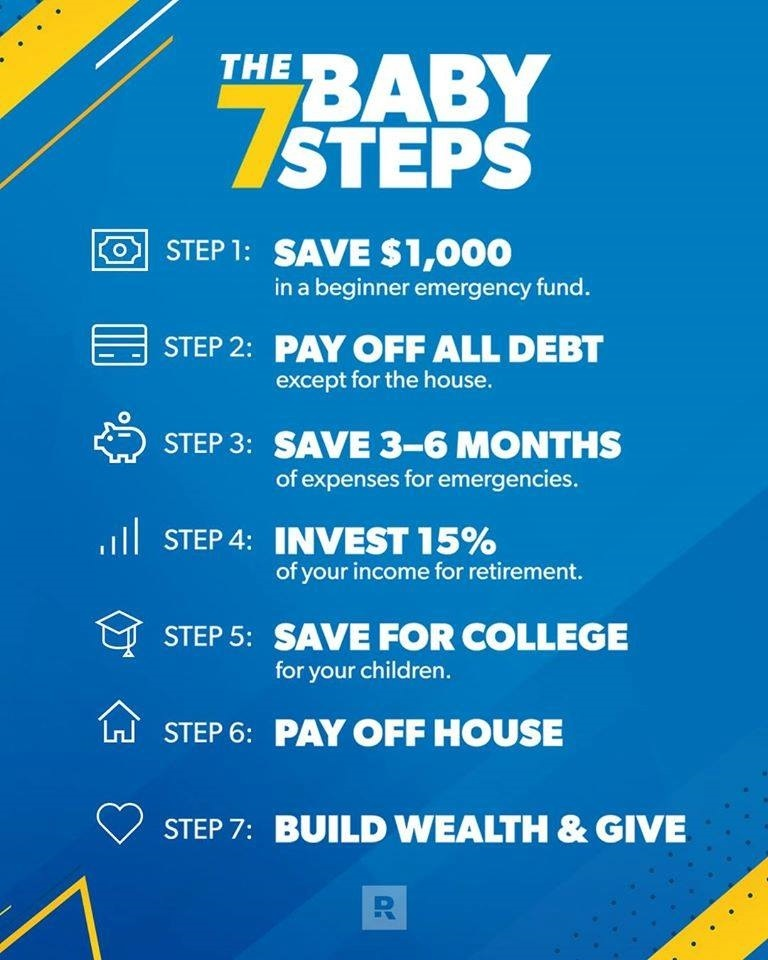
When my husband and I got married, we quickly realized neither of us knew a whole lot about managing our finances. After a slew of self-help audio books, we listened to Dave Ramsey’s Financial Peace Class 25 years ago and took the actual class in person 10 years later. This was a game changer for our family. We intentionally worked our way through his plan and taught our children the principles along the way. We now have the joy and honor of walking with hundreds of families through the same steps we did as they journey toward financial freedom.
Here are the most important things we’ve learned along the way.
It’s not MY money.
God owns it all. He gave us our talents and abilities to use for his glory and our good. We are stewards of any resources we earn or receive. Since we are the ones responsible to manage these resources, how exactly are we called to do this? For us, we prescribe to a simple Give, Save, Spend philosophy and seek to do all three in a systematic way.
Budgeting: It’s not a restriction, it’s a plan
We follow Dave Ramsey’s simple approach to manage our resources. Although budgeting is not one of the “steps,” for financial planning, creating and sticking to a budget is the glue and roadmap that helps everything else happen.
How to create a zero-based budget
Before the month begins, plan for where your money will go instead of wondering where it went. Spread everything you will earn for the month out on paper before the month begins. This is a zero-based budget. You shouldn’t have extra after allocating all of your monthly income in give, save, and spend columns (and yes, those are in order). If the money runs out before the month, you’ll need to do some cutting. Or, find ways to bump up your income if you are spending more than you make. If you are spending less than you make, please hear my audible cheer for you! Any extra after giving and monthly expenses goes toward an emergency fund, debt pay down, and saving for the future.
The debt snowball
Income is your most powerful wealth-building tool. Make a list of all of your debts (automobile payments, credit cards, medical bills, school loans, etc…) listing these smallest to largest. Attack the smallest debt first while making minimum payments on the others. Once you pay off the first one, you’ll move to the next on the list. Use the freed-up money from the first, and your newfound motivation and momentum, to attack the next one on the list. The amount you have to pay on each consecutive debt continues to snowball, until you pay off the last, largest debt!
By definition debt is something (typically money) owed or due to a lender. On its own, debt isn’t “bad” or sinful, but the Bible’s message regarding debt is that it should be released/canceled, paid, or forgiven. The Bible is clear that when something is borrowed it should be paid back.
Wages, like a debt owed, must be paid. | Romans 4:4
If you are faithful in obeying God’s commandments, you will be blessed and able to lend and not borrow. | Deuteronomy 15:6
Saving – An emergency fund turns a crisis into an inconvenience.
Cars break down, furnaces stop working, and medical emergencies are often big surprises that can wreck a financial plan. Having an emergency fund with 3-6 months of expenses keeps you from going into debt because of emergency expenses. Nearly 80% of Americans live paycheck to paycheck and use debt to cover expenses. Keep your emergency fund in an interest bearing account where the funds are available to you in 24 to 48 hours. This is a personal insurance plan, not an investment. If you spend your emergency fund, make sure to build it back up as quickly as possible.
Save for your future – Invest 15% of your household income for retirement.
Investing feels daunting to many but it doesn’t have to be complicated. You WILL one day retire and when you do you’ll want to be prepared. Slow and steady wins the race. Investing 15% of your income is recommended and consistency is key. First start with the company you work for and learn if they have a match. Always invest up to the match because that’s FREE money. You can then invest the rest through your company’s 401(k), 403(b), directly into the stock market, or another investment avenue of your choosing. Try not to borrow against your retirement plan, the fees are high and you are unplugging money that you’ve earmarked for retirement. Compound interest will be best realized by investing for the longest period of time possible. Start early. Or, if you don’t feel like you’re early – start today.
In our work to establish a better financial future for our family and generations to come, we have learned that if you’re married, managing finances cannot be a solo endeavor. Jared and I bring different skills and desires to our marriage and we must be intentional to have both of us participate in the budgeting process. I love the story Dave Ramsey shares about Belgian Draft horses, who are amazingly strong. One horse alone can pull up to 8,000 pounds. Two horses, when trained and working together can pull up to 32,000 – four times as much as a single horse! I implore you to dream together about what financial freedom could look like for your family. Work together through hard conversations until you find agreement on spending and saving categories. If you’re managing “well-enough,” imagine what you could do if you and your spouse started training this muscle and working together to manage Kingdom resources. Think of the impact you could make!
The truth about giving generously is that the more we give, the more space we free up within us to receive.
We know that God is a giver, the ultimate giver, one who gave his Son so we may live. When we give, we start to look more like Jesus. Everything we have is from the Lord. We don’t give because God needs our money. We give because it reorients our hearts toward God and others. Giving a tithe (the word itself means a tenth) of our first fruits is what we are commanded to do. When budgeting, a Christian should give the tithe first before all other spending and saving happens. This is why giving is the first line item on the budget.

For God so loved the world that He gave His only begotten Son, that whoever believes in Him should not perish but have everlasting life. | John 3:16
The more generous you become the more you are becoming who God made you to be.
Lindy Ness is a member at Living Hope Church. She and her husband, Jared, have three children and love investing their time with YoungLife, hosting friends at their creek in Glen Rock, and leading Financial Peace University classes to help couples on their journey to financial freedom.
0 Comments